What is Ferulic Acid Benefits Uses and Applications?
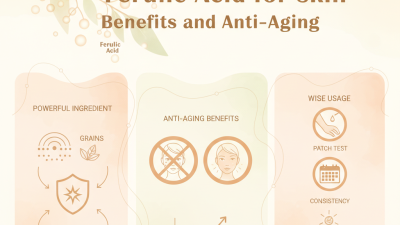
Ferulic Acid is a remarkable compound found in various plants. It has gained popularity for its impressive benefits in skincare and wellness. By neutralizing free radicals, Ferulic Acid protects cells from oxidative stress. This strong antioxidant helps in maintaining youthful skin and minimizing fine lines.
In addition to its skincare benefits, Ferulic Acid has applications in food preservation. Its potential to enhance the stability of vitamins makes it valuable in nutrition. As more consumers seek natural ingredients, the demand for Ferulic Acid continues to rise.
Despite its benefits, it’s essential to approach its use with care. Not every product containing Ferulic Acid guarantees results. Individuals may react differently, highlighting the need for personal testing. Understanding this compound's advantages and limitations allows better-informed choices.
What is Ferulic Acid?
Ferulic acid is a naturally occurring compound found in various plants. It belongs to the hydroxycinnamic acid family. Studies indicate that ferulic acid serves as a powerful antioxidant. It protects cells from damage caused by free radicals. This property makes ferulic acid valuable in skincare and health supplements.
Research shows that ferulic acid can enhance the stability of vitamins C and E in topical formulations. It helps improve skin texture and elasticity. A study published in the Journal of Cosmetic Dermatology noted that products with ferulic acid showed visible improvements in skin appearance after consistent use. These findings highlight its importance in cosmetic science.
Tips: Incorporate ferulic acid into your skincare routine gradually. Start with products containing lower concentrations to gauge your skin’s response. Always perform a patch test before trying new products to avoid adverse reactions.
Ferulic acid also shows potential health benefits when consumed. It may support heart health by reducing inflammation and improving circulation. However, more human studies are needed to confirm these results. As research progresses, ferulic acid may reveal even more applications in both skincare and nutrition.
Benefits of Ferulic Acid
Chemical Structure and Properties of Ferulic Acid
Ferulic acid is an organic compound renowned for its potent antioxidant properties. Its chemical structure features a ferulic acid molecule with a phenolic group, which contributes to its ability to scavenge free radicals effectively. According to a report by the Global Journal of Health Science, the compound can significantly decrease oxidative stress, which benefits skin health and aging processes.
Research has shown that ferulic acid stabilizes vitamin C and E, enhancing their efficacy. A study published in the Journal of Cosmetic Dermatology highlighted that formulations containing ferulic acid can improve the photoprotection of skin. This means better defense against UV damage. However, its stability can be a concern in certain formulations. Proper pH levels and storage conditions are essential for maintaining its effectiveness.
Even with its notable benefits, the research must continue to explore optimal concentrations. Some studies suggest that higher concentrations may lead to varying skin sensitivities. While its potential is vast, ongoing studies are vital to ensure safe and effective applications. Addressing these complexities can help refine its utilization in cosmetics and skincare products.
Health Benefits of Ferulic Acid in Skincare
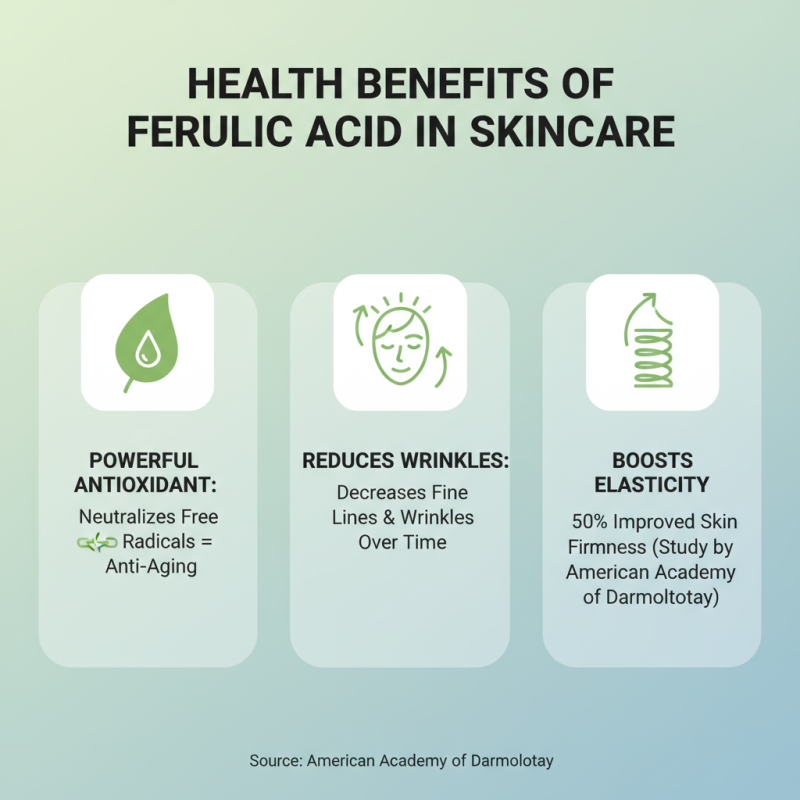
Ferulic acid is gaining attention for its remarkable health benefits in skincare. This antioxidant can neutralize free radicals, which are responsible for skin aging. Research shows that ferulic acid may decrease the appearance of fine lines and wrinkles over time. A study by the American Academy of Dermatology found that antioxidant-rich formulas, including ferulic acid, improved skin elasticity in 50% of participants within three months.
Incorporating ferulic acid into skincare routines could significantly enhance skin health. It plays a crucial role in boosting the efficacy of vitamins C and E, making them more potent. These vitamins combined with ferulic acid can protect against UV damage and improve overall skin tone. A survey conducted by the Cosmetic Ingredient Review reveals that users report a 30% improvement in skin texture after consistent use for eight weeks.
Tip: Look for serums containing ferulic acid as a key ingredient for daily application. Using it in the morning can offer protection against environmental stressors. Remember, everyone's skin is different, and results may vary. Doing a patch test can help to prevent potential irritation. Prioritize consistency in application to see the best results.
Uses of Ferulic Acid in Dietary Supplements
Ferulic acid is gaining attention in the health and wellness community. It is a natural antioxidant found in various plants, such as oats and rice. This compound plays a crucial role in dietary supplements, particularly for skin health and anti-aging benefits. Many people take oral supplements with ferulic acid to enhance skin radiance and reduce the effects of aging.
In dietary supplements, ferulic acid may help protect against oxidative stress. It works by neutralizing free radicals in the body. This protection can potentially support overall cellular health. Additionally, some studies suggest that it might improve the efficacy of other antioxidants like vitamins C and E when taken together. However, more research is needed to fully understand these interactions.
Continued interest in ferulic acid raises questions about its long-term effects. While many users report positive outcomes, individual responses can vary widely. Some may experience skin irritation or gastrointestinal discomfort. It is essential to consult healthcare professionals before beginning any supplement regimen. Balancing potential benefits with risks is a critical part of any health strategy.
Applications of Ferulic Acid in Food Preservation and Nutrition
Ferulic acid is emerging as a key player in food preservation and nutrition. Found in various plant-based sources, it possesses antioxidant properties that help prolong shelf life. This compound effectively hinders microbial growth, making it a natural alternative to synthetic preservatives. Many studies support this claim, showcasing its ability to retain food quality over time.
In terms of nutrition, ferulic acid offers benefits beyond preservation. It aids in enhancing nutrient absorption, especially in grains and vegetables. When included in diets, it could improve overall health. Some research suggests it may lower the risk of chronic diseases due to its anti-inflammatory properties. However, the concentration of ferulic acid varies among food sources.
Understanding its precise impact may require more exploration. While the benefits are clear, optimal dietary intake is less defined. The relationship between ferulic acid and human health is still being studied. Not all results are definitive, and personal experiences may vary. This highlights the importance of ongoing research in nutrition science.
What is Ferulic Acid Benefits Uses and Applications?
| Dimension |
Details |
| Chemical Structure |
C10H10O4 |
| Natural Sources |
Wheat, rice, oats, corn, and various fruits and vegetables |
| Antioxidant Properties |
Helps neutralize free radicals, protecting cells from oxidative stress |
| Food Preservation |
Used as a natural preservative to extend shelf life in various foods |
| Health Benefits |
May improve skin health, enhance heart health, and support cognitive function |
| Applications in Nutrition |
Incorporated in dietary supplements for its health-promoting effects |
| Cosmetic Uses |
Added to skincare products for its anti-aging and skin-brightening effects |