Is Ethyl Oleate the Best Choice for Global Buyers?
Ethyl Oleate has gained attention in the global market for its versatile applications. It is commonly used in cosmetics, pharmaceuticals, and food products. This interest raises questions about whether it is the best choice for global buyers.
Buyers must consider several factors before making a decision. Ethyl Oleate is valued for its ability to act as a carrier oil, enhancing the delivery of active ingredients. Its low toxicity and biodegradability make it environmentally friendly. However, sourcing quality Ethyl Oleate can be challenging. Variability in production methods affects its purity and effectiveness.
Market demand is shifting. While Ethyl Oleate is popular, competition from alternative compounds is fierce. Buyers should weigh cost against quality. Understanding suppliers' reputation is crucial. Research and expert opinions can guide choices, ensuring informed decisions for sustainable sourcing.
What is Ethyl Oleate and Its Characteristics?
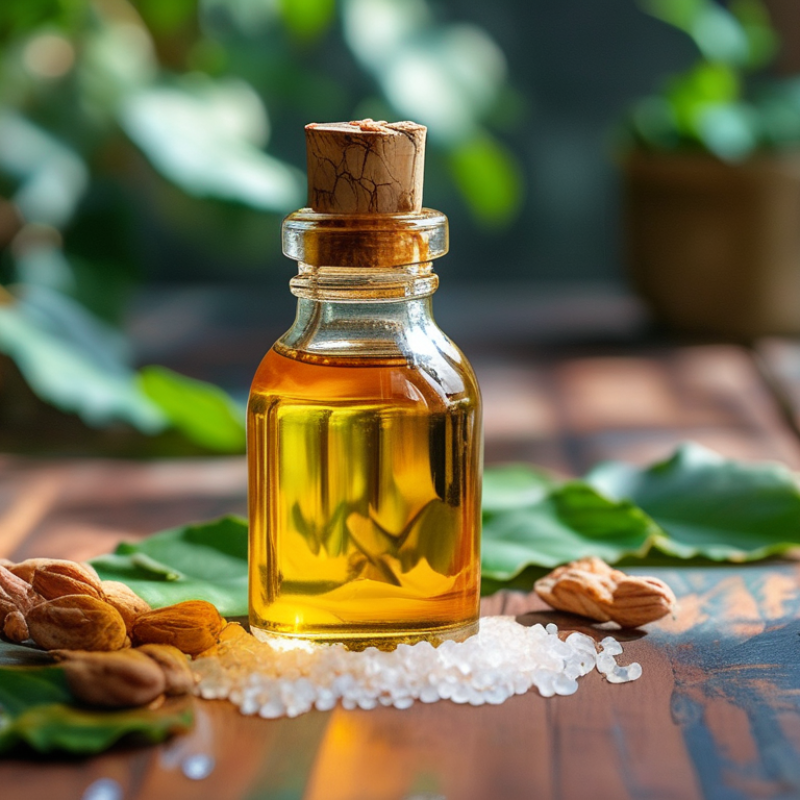
Ethyl oleate is an ester derived from ethyl alcohol and oleic acid. It is a clear, colorless liquid with a mild odor and a fatty taste. This compound is known for its excellent solubility in oils and fats, making it a versatile ingredient in various applications. Its chemical structure contributes to its unique properties, such as low toxicity and biodegradability, essential for many industries.
This substance is particularly popular in the pharmaceutical and cosmetic sectors due to its emulsifying and solvent properties. Ethyl oleate can improve the texture of creams and lotions, enhancing product performance. However, despite its benefits, there are variations in quality and sourcing. Some suppliers may not adhere to strict manufacturing standards, potentially affecting the consistency and safety of the end products. Buyers should conduct thorough research before selecting suppliers.
The use of ethyl oleate raises questions about its sustainability. While it is biodegradable, sourcing raw materials responsibly is crucial. Buyers must consider environmental impact, striving for suppliers committed to ethical practices. Balancing quality with sustainability can be challenging, but it is necessary for responsible consumption. Ethyl oleate offers many benefits, yet careful evaluation is essential.
Market Demand for Ethyl Oleate in Various Industries
The market demand for ethyl oleate has seen significant growth, especially in food, cosmetics, and pharmaceuticals. According to a recent report by the Research Institute for Oleochemical Studies, ethyl oleate attracts attention due to its emulsifying and solubilizing properties. In the cosmetics industry, it serves as a skin-conditioning agent. More than 40% of cosmetic manufacturers include it in their formulations.
In pharmaceuticals, ethyl oleate acts as a solvent for various bioactive compounds. The Global Pharmaceutical Ingredients Report noted a rise in demand for bio-based solvents. Ethyl oleate, derived from natural sources, aligns well with this trend. However, some concerns linger about its stability in certain conditions.
The food industry also benefits from ethyl oleate’s capabilities. It is used in food additives and flavorings. However, the long-term health implications are still under scrutiny. As more companies commit to sustainability, sourcing issues may arise. This creates challenges for manufacturers, who must balance quality and availability.
Comparative Analysis of Ethyl Oleate with Other Esters
In recent years, ethyl oleate has garnered increased attention in various sectors, particularly in the food and cosmetic industries. Its unique properties, like low viscosity and a high solubility rate, make it a potential alternative to other esters. A recent industry report highlights that ethyl oleate, derived from oleic acid, exhibits remarkable stability compared to butyl and propyl esters.
However, it’s critical to evaluate how ethyl oleate measures up against its competitors. For example, studies suggest that ethyl oleate has a lower risk of causing skin irritation than isopropyl myristate. This characteristic is especially important for cosmetic applications, where skin compatibility is paramount.
Additionally, its ability to enhance bioavailability makes it an attractive option for nutraceutical formulations, with efficacy rates improving by nearly 30% in some studies.
Yet, some concerns remain. Ethyl oleate has a shorter shelf life than certain widely used esters, which may limit its appeal for long-term storage. Furthermore, cost-effectiveness is another consideration for global buyers. While ethyl oleate is generally priced competitively, its price fluctuations can affect bulk purchasing decisions. As global buyers weigh their options, a thorough comparative analysis will be essential in determining whether ethyl oleate truly stands out among its ester counterparts.
Benefits and Drawbacks of Using Ethyl Oleate Globally
Ethyl oleate is gaining attention for its diverse applications across various industries. Its use in pharmaceuticals and cosmetics makes it appealing to global buyers. The benefits include excellent solubility and stability, enhancing product effectiveness. A recent report highlights that formulations containing ethyl oleate show improved absorption rates, which is vital in drug delivery systems. Furthermore, its biodegradable nature aligns with increasing sustainability demands in manufacturing.
However, there are potential drawbacks. Ethyl oleate can cause skin irritation in sensitive individuals, which raises safety concerns. It's essential for manufacturers to conduct thorough testing, as consumer safety must always be prioritized. Market research indicates that 10% of users report adverse reactions. This statistic underscores the need for businesses to balance innovation with caution.
Tips: When considering ethyl oleate, always review supplier safety data sheets (SDS) for proper handling information. Stay informed about regulatory changes that may impact your supply chain. Opt for products that meet established safety and quality standards to minimize risks.
Is Ethyl Oleate the Best Choice for Global Buyers?
Factors Influencing Buyers' Choices for Ethyl Oleate
When considering ethyl oleate, several factors influence global buyers. Market trends, application versatility, and sustainability stand out. Ethyl oleate is commonly used in pharmaceuticals, cosmetics, and food industries. According to industry reports, the market for ethyl oleate is projected to grow at a CAGR of 5.4% from 2023 to 2030. This growth indicates increasing demand across various sectors.
Cost-effectiveness also plays a significant role in buyer choices. Buyers often evaluate not just the price but also the quality. Many suppliers may promise high purity, but inconsistency can impact product performance. Research shows that up to 20% of samples fail quality tests in some markets. This inconsistency can lead to hesitation among buyers, making it crucial to choose reputable suppliers.
Sustainability is becoming increasingly important. Many companies are shifting to greener alternatives. Ethyl oleate derived from renewable sources is gaining traction. A recent survey found that over 60% of companies prioritize sustainability in their sourcing decisions. Buyers are keen to support suppliers that meet environmental standards, reflecting a broader commitment to ethical sourcing practices. Balancing cost, quality, and sustainability remains a challenge for buyers in the ethyl oleate market.
Is Ethyl Oleate the Best Choice for Global Buyers? - Factors Influencing Buyers' Choices for Ethyl Oleate
| Factor |
Importance Level (1-5) |
Percentage of Buyers Considering This Factor |
| Price Competitiveness |
5 |
80% |
| Quality and Purity |
5 |
90% |
| Supplier Reputation |
4 |
75% |
| Regulatory Compliance |
4 |
70% |
| Availability and Delivery Time |
3 |
60% |
| Customer Support |
3 |
50% |
| Technical Support |
2 |
40% |