Neomycin Sulfate Benefits and Usage Tips You Need to Know?
Neomycin Sulfate is a powerful antibiotic often used in various medical settings. It effectively fights bacterial infections and helps manage certain skin conditions. This compound is typically found in topical medications, eye drops, and certain oral formulations. Users should understand its benefits and how to utilize it safely.
Many people may not realize how versatile Neomycin Sulfate can be. It provides significant relief from inflammation and discomfort caused by infections. When applied correctly, it can promote faster healing. However, users must be cautious about potential side effects. Overuse can lead to resistance or other health complications.
Understanding Neomycin Sulfate’s proper usage is crucial. Always follow guidelines and usage tips. Discussing with a healthcare professional can ensure safe application. Being informed empowers users to make better decisions regarding their health.
Understanding Neomycin Sulfate: Overview and Composition
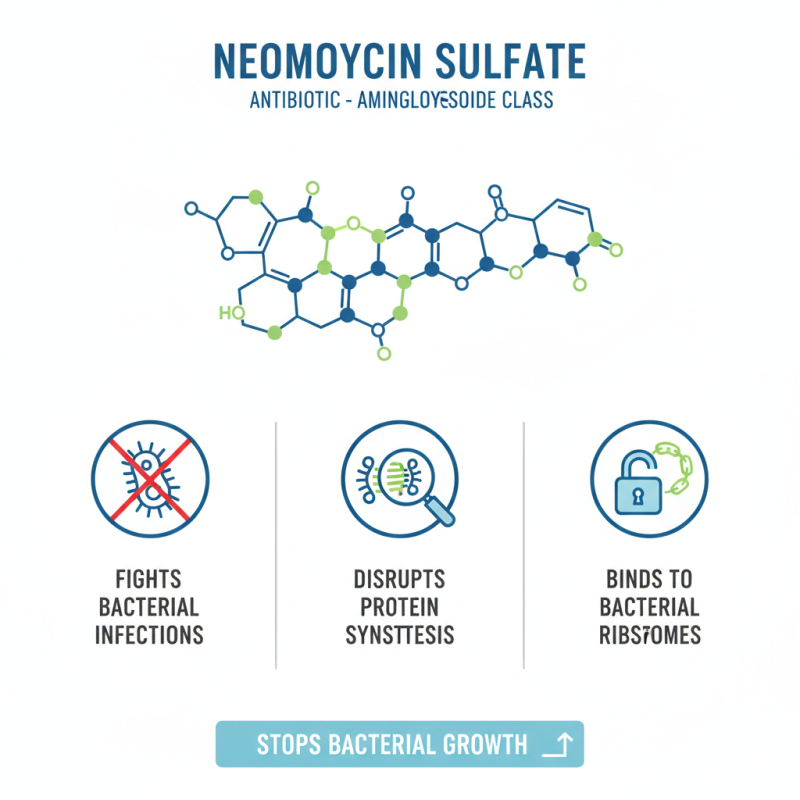
Neomycin sulfate is an antibiotic. It belongs to the aminoglycoside class. This compound is effective against various bacterial infections. The primary function is to disrupt bacterial protein synthesis. It does this by binding to bacterial ribosomes. This action halts the growth of bacteria.
In terms of its composition, neomycin sulfate is derived from the bacterium Streptomyces fradiae. It has a unique chemical structure that enhances efficacy. The sulfate group increases its solubility in water. This property helps in dissolving the drug for easier use. However, overuse can lead to resistance. Bacterial strains may become less susceptible.
When using neomycin sulfate, be cautious. It can cause skin irritation or allergic reactions. Regular monitoring is essential to prevent adverse effects. While it is effective, one must consider individual sensitivities. Understanding the drug's specific uses can foster better practices. Seek medical guidance to ensure safety and efficacy.
Therapeutic Uses of Neomycin Sulfate in Medicine
Neomycin sulfate is a widely used antibiotic with several therapeutic applications. It primarily targets gram-negative bacteria and is effective in treating infections. According to the Centers for Disease Control and Prevention (CDC), neomycin is particularly beneficial for preoperative bowel decontamination. This process can significantly reduce infection rates in surgical patients. However, its use is not without risks; nephrotoxicity is a notable concern, especially in patients with impaired kidney function.
In addition to its use in surgical preparations, neomycin sulfate also finds applications in skin and ear infections. Data from recent clinical studies show that topical formulations help reduce bacterial load effectively. They can improve healing time for minor wounds. While the benefits are evident, careful monitoring of patients is essential. Misuse of antibiotics can lead to resistance, a growing public health challenge.
Another aspect worth considering is the allergic reactions associated with neomycin. The incidence of hypersensitivity reactions, though relatively low, is significant enough to warrant caution in prescribing. Medical professionals should also consider patient history when recommending neomycin sulfate. Balancing its benefits against potential adverse effects is crucial for effective medical practice.
Dosage Guidelines and Administration Methods for Neomycin
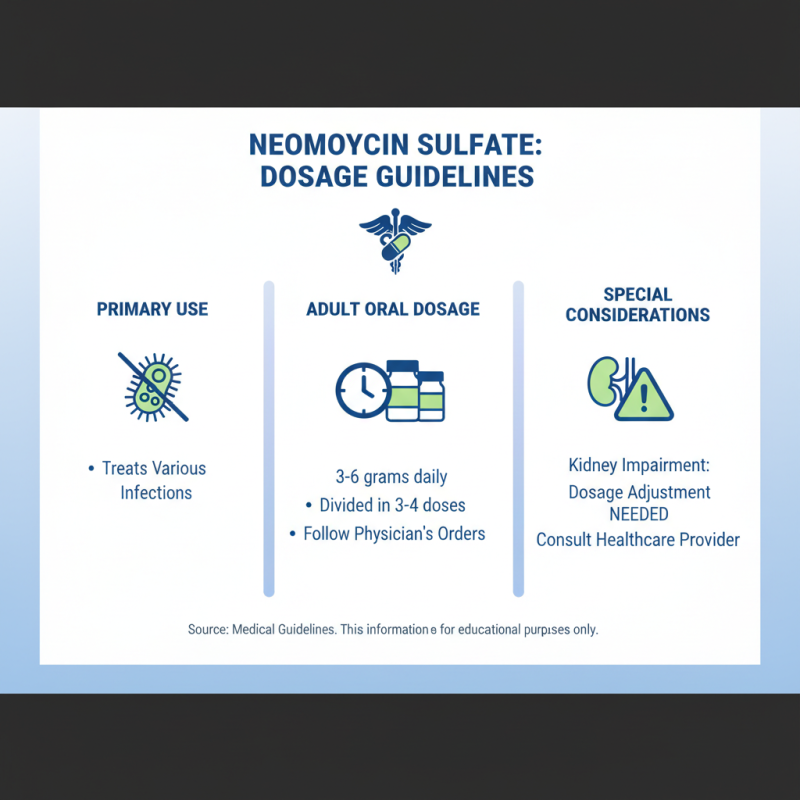
Neomycin sulfate is an antibiotic used to treat various infections. When considering its dosage, guidelines vary based on the condition being treated. A typical oral dosage for adults ranges from 3 to 6 grams daily, divided into three or four doses. It is crucial to follow these dosages to avoid complications. Adjustments are often necessary for patients with kidney issues.
Tips for administration: Always take Neomycin with a full glass of water. This helps dissolve the medication properly, improving absorption. For optimal results, space doses evenly throughout the day. Monitor for side effects like nausea or diarrhea, which are common. If they persist, consult a healthcare professional.
Dosage for children differs greatly. Pediatric doses depend on weight. Parents should ensure that the healthcare provider calculates the right amount. Never self-medicate. It can lead to overdoses or ineffective treatment. Remember, while Neomycin can be effective, it has its limitations, particularly in treating viral infections. Always reflect on the necessity of antibiotics in your treatment plan.
Potential Side Effects and Precautions When Using Neomycin
When considering the use of Neomycin, understanding potential side effects is crucial. Neomycin can cause ear and kidney damage, especially with prolonged use. Skin irritation may also occur in some users. These effects can be serious. Monitoring for unusual reactions is wise. Some people may experience allergic reactions, including rashes. Such responses can be mild or severe, depending on the individual. It is essential to observe any changes closely.
Precautions are vital when using Neomycin. Pregnant or nursing individuals should consult a healthcare provider first. Do not use it on open wounds or severe burns unless advised. Using too much can lead to toxicity, especially in those with pre-existing conditions. It's essential to adhere to the recommended dosage. Inadequate information can lead to mistakes and negative outcomes. Awareness can help prevent adverse reactions. Regular check-ins with a healthcare professional can ensure safety.
Neomycin Sulfate Benefits and Usage Tips You Need to Know
| Benefit |
Usage Tips |
Potential Side Effects |
Precautions |
| Effective against certain bacterial infections |
Apply topically as directed; do not use for longer than recommended. |
Skin irritation, allergic reactions, gastrointestinal upset |
Avoid use if allergic to aminoglycosides; consult with a doctor if pregnant. |
| Used for treating superficial infections |
Clean the affected area before application for best results. |
Itching or burning sensation at the applied site |
Do not use in deep wounds or puncture wounds without medical advice. |
| Reduces bacterial load before surgical procedures |
Follow healthcare provider instructions for use around surgery. |
Nausea, diarrhea |
Use with caution in patients with kidney issues. |
| Prevention of infections in ulcers and wounds |
Ensure application is on clean, dry skin. |
Rash, redness around the application site |
Consult a physician if symptoms worsen or do not improve. |
Alternatives to Neomycin Sulfate: What You Should Consider
When considering alternatives to Neomycin Sulfate, it’s vital to evaluate both effectiveness and safety. Some studies suggest that certain topical antibiotics, like Mupirocin, offer comparable antibacterial properties. Mupirocin has been found to be effective against numerous bacteria, including MRSA. In clinical trials, the success rate of treating infections with Mupirocin was over 90%. Such data reflects its potential as a reliable substitute for Neomycin.
Furthermore, natural options are becoming increasingly popular. Essential oils, like tea tree oil, show promising antibacterial effects. Research indicates that tea tree oil can inhibit the growth of various pathogens. In one study, tea tree oil displayed antimicrobial activity against 60% of tested bacteria. These alternatives appeal to those looking for safer, less synthetic options.
However, awareness of potential sensitivities is crucial. Some individuals might react poorly to natural substances. The effectiveness of an alternative can vary widely among patients. It’s important to consult healthcare professionals before making any changes. What works well for one person may not suit another. Be mindful of these nuances when exploring treatment options.
Neomycin Sulfate Usage and Alternatives
This bar chart illustrates the usage frequency of Neomycin Sulfate for various medical conditions and compares it with alternative antibiotics. The data shows the percentage of usage for different applications, highlighting where Neomycin is most commonly utilized.