page_head_bg

News

How to Use Tylosin Phosphate for Effective Livestock Health?

Tylosin Phosphate is a prominent antibiotic used in livestock health management. Dr. Emily Johnson, a seasoned veterinarian with over 15 years of experience, emphasizes its importance: "Proper use of Tylosin Phosphate can significantly improve animal welfare." This statement echoes the growing recognition of Tylosin Phosphate's role in reducing disease and promoting growth in livestock.

As livestock farmers face numerous health issues, Tylosin Phosphate presents a viable solution. It effectively combats certain bacteria, thus minimizing illness and enhancing productivity. However, it is crucial to use this antibiotic responsibly to avoid resistance issues. Education on its application is vital for optimal benefits.

Tylosin Phosphate should not be the only focus. Farmers must explore holistic health strategies alongside its use. Evaluating the livestock's overall environment, nutrition, and care routines can enhance results. Reliable resources and expert guidance will aid farmers in navigating this process, ensuring the health of their livestock while maintaining ethical practices.

How to Use Tylosin Phosphate for Effective Livestock Health?

Understanding Tylosin Phosphate: A Key Antibiotic for Livestock

Tylosin phosphate is a crucial antibiotic in livestock health management. It targets various bacterial infections that can affect animals like pigs, cattle, and poultry. This antibiotic works by inhibiting bacterial protein synthesis, effectively controlling harmful pathogens in the livestock environment.

Proper usage requires understanding the specific conditions where Tylosin phosphate is effective. Farmers should consider the type of livestock and their unique health needs. Misuse can lead to antibiotic resistance, a growing concern in veterinary medicine. Regular monitoring of livestock health is essential to evaluate the efficacy of treatments.

While Tylosin phosphate offers significant benefits, awareness is vital. Over-relying on antibiotics can diminish their effectiveness. It is crucial for livestock managers to educate themselves on appropriate dosages and treatment durations. Engaging with veterinary experts will enhance decision-making. Balancing antibiotic use with good husbandry practices is necessary for long-term success in livestock health.

How to Use Tylosin Phosphate for Effective Livestock Health?

Aspect Details
Use in Livestock Tylosin phosphate is used primarily in cattle, swine, and poultry to treat and prevent bacterial infections.
Dosage Dosage varies by species; typically ranges from 10 to 20 mg/kg body weight depending on infection type.
Administration Route Administered orally through feed or water; can also be given via injection in some cases.
Target Bacteria Effective against Gram-positive bacteria including Mycoplasma, which can cause respiratory issues.
Precautions Avoid use in animals hypersensitive to macrolide antibiotics; monitor for potential side effects like diarrhea.
Withdrawal Period Typically 5 to 14 days before slaughter; check specific regulations as they vary by region.
Benefits Promotes faster recovery from infections, improves overall health and growth rates in livestock.
Considerations Consult with a veterinarian for proper usage, especially in long-term treatment cases.

Mechanism of Action: How Tylosin Phosphate Targets Bacterial Infections

Tylosin phosphate acts primarily on bacterial infections, aiding in livestock health. Its mechanism of action focuses on inhibiting protein synthesis in bacteria. This disruption occurs at the ribosomal level. When Tylosin binds to the ribosome, it prevents bacteria from producing essential proteins. Without these proteins, bacteria cannot grow or replicate effectively.

This antibiotic is effective against specific gram-positive bacteria. It targets pathogens like Mycoplasma and Actinobacillus. Livestock suffering from respiratory or digestive infections often benefit from Tylosin treatment. However, reliance on antibiotics can lead to resistance. It's crucial to use Tylosin judiciously to mitigate this risk. Farmers should monitor livestock health closely and consider alternative management practices.

Proper dosage is vital for ensuring Tylosin's efficacy. Dosing mistakes may lead to insufficient treatment or increased resistance risks. Understanding the specific needs of the herd is an essential part of antibiotic use. Additionally, regular health assessments can support better outcomes. Balancing antibiotic use with overall livestock management strategies is key to maintaining robust health in the herd.

Usage of Tylosin Phosphate in Livestock Health

This chart illustrates the effectiveness of Tylosin Phosphate against common bacterial infections in livestock. The data reflects the percentage reduction in bacterial counts over a treatment period.

Recommended Dosage and Administration Guidelines for Optimal Efficacy

Tylosin phosphate is a valuable antibiotic used in livestock to improve health and growth. Accurate dosage is crucial for maximizing its benefits. Recommended administration depends on various factors, including species, weight, and specific health issues. Generally, the dosage may range between 10 to 20 mg/kg body weight daily. Always consult a veterinarian before starting treatment.


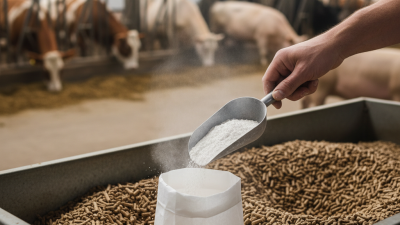
When giving tylosin, ensure proper measurement of the medication. It’s essential to mix it uniformly with feed to avoid uneven distribution. Some livestock might refuse treated feed, impacting efficacy. Close monitoring of animal response is vital. Watch for signs of improvement, but also for potential adverse effects.


Tip: Keep a record of dosages and reactions for each animal. This can help refine future treatments.


Overdosing can lead to toxicity while underdosing can reduce effectiveness. It requires careful balancing. Each herd is different, and what works for one may not work for another. Adjusting based on individual responses is important to achieving optimal outcomes.

Tylosin Phosphate's Role in Disease Prevention and Growth Promotion

Tylosin phosphate plays a crucial role in livestock health by preventing diseases and promoting growth. This antibiotic, primarily used in poultry and swine, helps control infections that can hinder livestock productivity. According to a 2021 report by the National Animal Health Monitoring System, the use of tylosin phosphate can reduce morbidity rates by up to 30% in swine populations during outbreaks.

The growth promotion benefits of tylosin phosphate are also significant. Studies indicate that it can improve feed efficiency, leading to enhanced weight gain. Research shows that livestock treated with tylosin phosphate can experience growth rate increases of approximately 10-15%. However, reliance on antibiotics for growth promotion has raised concerns regarding antibiotic resistance. The Centers for Disease Control and Prevention recommend careful use of such compounds.

While tylosin is effective, not all farmers employ it correctly. Some may administer inadequate dosages or misuse it in non-compliance with regulations. This inconsistent application can limit potential benefits. Education on proper usage remains crucial. Monitoring industry standards is necessary to maintain animal health and address public concerns about antibiotic resistance.

Safety and Residue Considerations in Livestock Products and Human Health

How to Use Tylosin Phosphate for Effective Livestock Health?

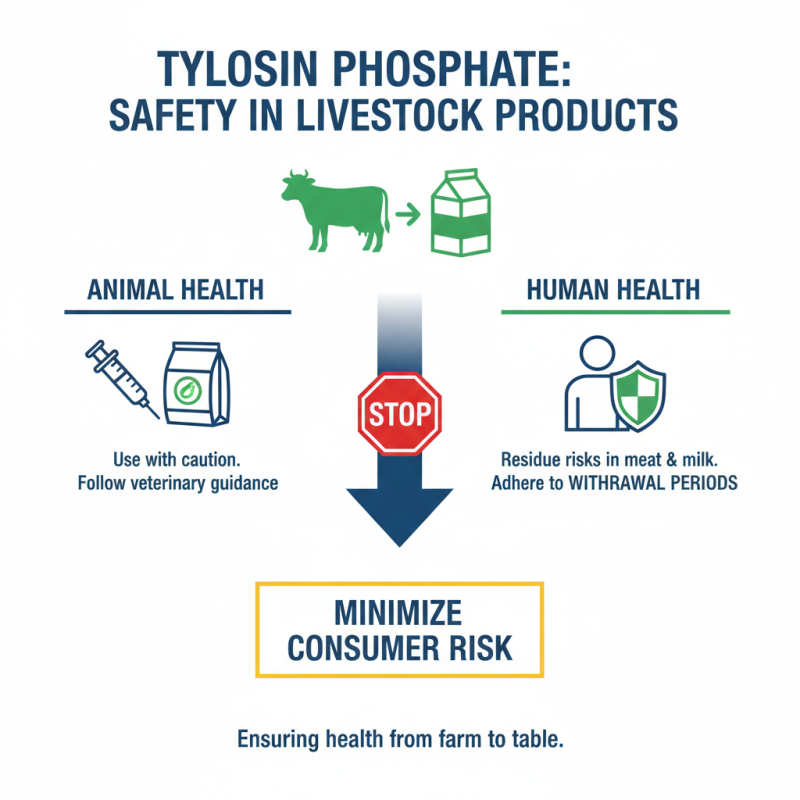
When using tylosin phosphate in livestock, safety is paramount. Understanding residue considerations is vital for ensuring both animal and human health. Tylosin can leave residues in meat and milk, posing potential risks. Farmers must adhere to withdrawal periods. These are essential to minimize any harmful effects on consumers.

Research suggests that while the drug can improve animal health, its presence in food products requires caution. Regular testing and adherence to guidelines can help manage these risks. Understanding the metabolism of tylosin in animals adds another layer of complexity. Changes in growth rates or treatment responses might affect drug effectiveness.

Consumer awareness is also crucial. Many are concerned about antibiotic residues in their food. Addressing these concerns is important for maintaining trust. Farmers should engage in transparent practices. This helps assure customers of their commitment to safety and health. It’s a continuous journey, where improvements are always needed.