Tylosin Tartrate Best Uses and Benefits for Global Buyers?
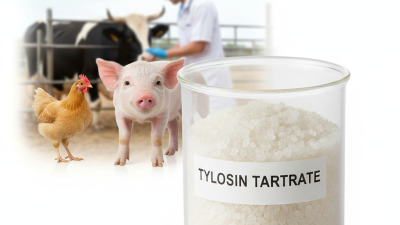
In the evolving landscape of veterinary pharmaceuticals, Tylosin Tartrate stands out for its effectiveness in treating various bacterial infections. This macrolide antibiotic is widely used in livestock and aquaculture. According to a recent market analysis by Research and Markets, the global Tylosin Tartrate market is projected to grow at a CAGR of 4.2% from 2023 to 2030. Industry expert Dr. Laura Jennings emphasizes its value, stating, "Tylosin Tartrate continues to provide significant benefits in improving animal health and productivity."
These benefits are particularly evident in swine and poultry production. With the rising demand for sustainable livestock practices, Tylosin Tartrate plays a critical role. Farmers and producers leverage its antimicrobial properties to enhance growth rates and feed efficiency. However, reliance on antibiotics raises concerns regarding resistance, prompting a need for responsible usage.
Adopting Tylosin Tartrate requires careful consideration. Stakeholders must balance health benefits with potential risks. The industry is still navigating regulatory landscapes, which adds layers of complexity to Tylosin Tartrate's application. This highlights the importance of ongoing research and responsible stewardship in utilizing this compound effectively.
Understanding Tylosin Tartrate: Chemical Composition and Mechanism of Action
Tylosin tartrate is a macrolide antibiotic primarily used in veterinary medicine. It is effective against a range of bacterial infections. This compound works by inhibiting protein synthesis in bacteria, thereby stopping their growth. Understanding its chemical composition helps in appreciating its mechanism of action. Tylosin is composed of a large lactone ring, which plays a crucial role in its antibacterial properties.
When using tylosin tartrate, consider its effectiveness for respiratory diseases in livestock. Proper dosage is essential for maximizing its therapeutic benefits. Overuse may lead to bacterial resistance, a serious concern in veterinary treatment. Monitoring the health of animals during treatment is advisable to ensure optimal recovery.
Tips: Always consult a veterinarian before use to ensure the dosage is appropriate. Remember that maintaining good hygiene and proper feeding practices can enhance treatment outcomes. Regular health checks can help in identifying potential issues early. Recognizing when to intervene is vital, as is understanding the limits of any antibiotic.
Primary Applications of Tylosin Tartrate in Veterinary Medicine
Tylosin tartrate is widely used in veterinary medicine, particularly for treating bacterial infections in livestock. This antimicrobial agent is effective against a range of pathogens. It is often used in poultry, swine, and cattle to enhance their health and productivity.
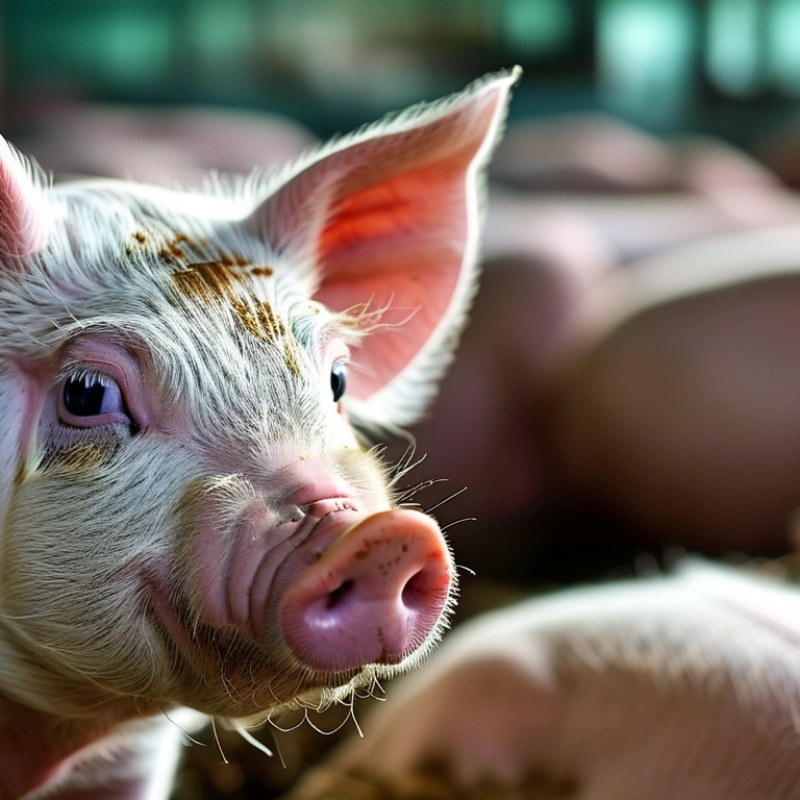
Veterinarians prescribe tylosin tartrate to manage respiratory diseases and intestinal infections. It plays a crucial role in combating Mycoplasma infections in pigs, which can severely impact growth. The use of tylosin helps in reducing the overall morbidity rates among livestock.
However, the application of tylosin tartrate isn’t without challenges. Resistance to antibiotics is a growing concern. Continuous use can lead to reduced effectiveness over time. Veterinarians must balance the benefits with the risk of developing resistant strains. Regular monitoring of livestock health is essential to ensure the proper use of tylosin tartrate in veterinary practices.
Tylosin Tartrate Best Uses and Benefits for Global Buyers
| Application Area |
Key Benefits |
Dosage Forms |
Common Species |
| Respiratory Infections |
Effective against Mycoplasma infections |
Injectable, Oral Suspension |
Pigs, Cattle |
| Feed Additive |
Promotes growth and reduces feed costs |
Premix, Powder |
Poultry, Livestock |
| Antimicrobial Therapy |
Broad-spectrum antimicrobial activity |
Injectable Solutions |
Small Ruminants, Horses |
| Digestive Health |
Improves gut flora and digestion |
Oral Powders, Tablets |
Cattle, Goats |
Efficacy of Tylosin Tartrate Against Common Bacterial Infections
Tylosin tartrate is gaining traction for its efficacy against common bacterial infections. This antibiotic, derived from the actinobacteria, targets several pathogens effectively. Research shows it is particularly valuable in veterinary medicine.
Tylosin is used to combat respiratory infections in livestock, improving animal health and productivity.
Studies indicate that Tylosin has a broad spectrum of activity. One report highlights a 70% reduction in bacterial load in treated animals. This statistic underscores its effectiveness in addressing ailments like Mycoplasma pneumonia and other respiratory infections.
The compound promotes faster recovery rates, contributing to better overall herd health.
While Tylosin tartrate presents notable benefits, it is essential to consider its limitations. Some resistance issues may arise with excessive use. Continuous monitoring of treatment responses is crucial. Understanding the balance between efficacy and resistance helps optimize its use in clinical practice. This critical perspective ensures Tylosin remains a valuable tool in managing bacterial infections while safeguarding long-term effectiveness.
Global Market Demand and Usage Trends for Tylosin Tartrate
The global market for Tylosin Tartrate has shown significant growth over recent years. According to a report from Market Research Future, the market is anticipated to reach $1.5 billion by 2025, driven by increasing demand in livestock farming. This antibiotic is primarily used for treating respiratory diseases in animals, enhancing their overall health and productivity. However, the use of Tylosin Tartrate must be monitored closely to prevent antibiotic resistance.
Different regions are utilizing Tylosin Tartrate in various ways. In North America, its application spans poultry and swine, driven by the rise in meat consumption. In Asia-Pacific, the demand is surging as more farmers adopt modern livestock farming practices. Data from Grand View Research highlights that Asia-Pacific will see a compound annual growth rate (CAGR) of over 6% in the next few years. This reflects a commitment to improving livestock health but also raises concerns about sustainability.
While there are clear benefits to using Tylosin Tartrate, some challenges remain. There is ongoing debate about the long-term impact on human health and the environment. It’s essential for market players to focus on responsible usage and explore alternatives. Studies show that better management practices can reduce reliance on antibiotics, but this shift requires investment and education.
Regulatory Considerations and Safety Guidelines for Tylosin Tartrate Usage
When considering the use of Tylosin Tartrate, safety is paramount. This compound is often utilized in veterinary medicine, especially in livestock. However, users must follow regulatory guidelines strictly. These regulations may vary by region. Therefore, understanding local laws is essential for compliant usage. Users must ensure they are aware of permissible dosages and formulations.
Conducting a risk assessment is advisable when using Tylosin Tartrate. Each species may respond differently to the compound. This variability complicates its application. Monitoring animal health during treatment is crucial. Documenting any adverse reactions helps provide a better understanding of its safety profile. Users should collaborate with veterinarians regularly to ensure proper usage and adherence to guidelines.
Those interested in using Tylosin Tartrate should also consider alternative therapies. Exploring various options can lead to better outcomes. This process requires ongoing research and reflection on the practices currently in place. Engaging in discussions about efficacy and safety with peers can yield valuable insights. By maintaining an open dialogue, users can enhance the understanding and application of Tylosin Tartrate in a responsible manner.