page_head_bg

News

Top 10 Uses of Tylosin Phosphate for Global Buyers?

Tylosin Phosphate is an antibiotic commonly used in veterinary medicine. It plays a crucial role in livestock health worldwide. According to a report from the Global Animal Health Market, the demand for effective antibiotics in animal husbandry has grown significantly, driven by the need for enhanced food security.

This compound is widely used for promoting growth and treating respiratory infections in animals. It is particularly effective in poultry and swine industries. However, its use is not without challenges. Concerns regarding antibiotic resistance are rising. This necessitates a careful approach to its application. Responsible usage is crucial for maintaining efficacy.

As the global demand for animal protein continues to rise, Tylosin Phosphate remains a key player in ensuring animal health. Its multiple applications make it a valuable asset for producers. Balancing its benefits with potential risks is essential in this evolving industry landscape. Keeping abreast of regulatory guidance can enhance its safe use in livestock management.

Top 10 Uses of Tylosin Phosphate for Global Buyers?

Tylosin Phosphate: An Overview of Its Importance in Agriculture

Tylosin Phosphate plays a crucial role in modern agriculture. This antibiotic is primarily used to enhance livestock health, improving overall productivity. Reports indicate that the use of Tylosin can lead to a 5-10% increase in cattle weight gain. This is particularly significant in developing regions where food security remains a pressing issue.

In addition to weight gain, Tylosin Phosphate helps in controlling bacterial infections among livestock. A study highlighted that proper use can reduce illness rates by up to 25%. Farmers benefit from healthier animals and reduced veterinary costs. However, there's a growing concern about antibiotic resistance, urging industry experts to advocate for careful usage. Sustainable agriculture must consider these implications.

The compound is not only relevant for cattle but also for poultry and swine. It demonstrates versatility across various livestock species. However, the challenge lies in finding the balance between maximizing growth and maintaining antibiotic efficacy. Continuous education and research are vital. Striking a balance may redefine the future of animal husbandry.

Application of Tylosin Phosphate in Livestock Nutrition and Health

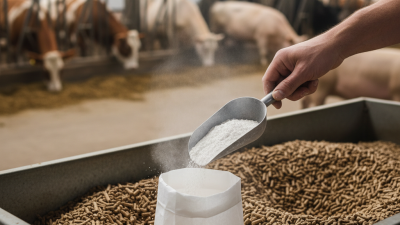
Tylosin Phosphate is gaining attention in livestock nutrition and health. This antibiotic agent is commonly used to support animal growth and improve feed efficiency. It works by reducing harmful bacteria in the gut. A healthier gut means better absorption of nutrients. Increased nutrient uptake helps livestock thrive.

In addition to growth promotion, Tylosin Phosphate plays a role in disease prevention. It helps manage conditions like pneumonia in livestock. Healthier animals lead to improved productivity. However, this use raises some concerns. The risk of antibiotic resistance is a critical issue. Farmers must be cautious and monitor usage.

Implementing Tylosin Phosphate requires careful consideration. Each livestock type may react differently to this antibiotic. Research suggests that continuous use should be minimized. Alternatives should also be explored. Sustainable practices may benefit both animal health and the environment. Balancing effectiveness and safety is essential for long-term success in agriculture.

Top 10 Uses of Tylosin Phosphate in Livestock Nutrition and Health

Role of Tylosin Phosphate in Controlling Bacterial Infections

Tylosin phosphate plays a significant role in controlling bacterial infections, particularly in livestock and aquaculture. This macrolide antibiotic, recognized for its effectiveness, targets a variety of Gram-positive bacteria. Data from the Animal Health Institute indicates that approximately 60% of bacterial infections in farms are treated using Tylosin or similar antibiotics. This statistic highlights its crucial part in maintaining animal health and productivity.

The efficacy of Tylosin in controlling bacterial infections has been noted in various studies. For example, research published in the Journal of Antimicrobial Chemotherapy shows a reduction in infection rates by up to 45% in poultry treated with Tylosin phosphate. This treatment not only prevents disease but also enhances overall growth performance. However, there are concerns regarding antibiotic resistance. Farmers must utilize Tylosin with caution to avoid promoting resistant bacterial strains.

The controlled use of Tylosin phosphate can lead to improved veterinary outcomes. Nevertheless, over-reliance on antibiotics poses challenges. Industry reports suggest that better management practices and disease prevention strategies should complement antibiotic use. Rethinking treatment protocols is essential to ensure the continued effectiveness of Tylosin phosphate in maintaining animal health.

Utilization of Tylosin Phosphate in Aquaculture Practices

Tylosin phosphate plays a crucial role in aquaculture practices. It is commonly used as an antimicrobial agent. This helps to control diseases in fish and shrimp aquaculture systems. Effective management of bacterial infections is vital for healthy aquatic life. Tylosin phosphate supports the growth of fish and shrimp while reducing mortality rates.

Moreover, its impact on feed efficiency is significant. When added to feed, it enhances nutrient absorption. This means fish and shrimp can convert feed into body mass more effectively. Healthy growth leads to better yields for aquaculture producers. However, reliance on such additives must be reflected upon. Overuse can lead to resistance, which poses long-term challenges.

Balancing the benefits and potential risks is essential. Farmers need to monitor their use of tylosin phosphate closely. Sustainable practices can ensure the health of aquatic ecosystems. Education on the responsible use of this agent is critical for future aquaculture success.

Top 10 Uses of Tylosin Phosphate for Global Buyers

Use Case Description Benefits Target Species
Disease Prevention Used to prevent bacterial infections in aquatic animals. Reduces mortality rates and improves health. Fish and shrimp
Growth Promotion Enhances growth rates in aquaculture species. Improves feed conversion ratios. Tilapia, catfish
Feed Additive Added to feed to improve overall health and performance. Increases nutrients absorption. Prawns, crab
Wound Healing Promotes recovery from injuries and infections. Speeds up healing process. Fish
Immune Support Enhances immune response against pathogens. Reduces disease outbreaks. Shrimp, fish
Stress Reduction Reduces stress in farmed aquatic species. Promotes wellbeing in crowded conditions. Fish
Water Quality Management Helps maintain better water quality in aquaculture systems. Improves oxygen levels and reduces harmful bacteria. General aquaculture species
Combination Therapy Used alongside other medications for better outcomes. Increases effectiveness of treatments. Fish, shrimp
Research and Development Utilized in scientific studies for disease control. Provides insights into better aquaculture practices. Various aquatic species
Regulatory Compliance Assists with adherence to health regulations. Ensures safe consumption of aquatic products. Fish and shellfish

Tylosin Phosphate's Impact on Sustainable Farming Practices

Tylosin phosphate plays a significant role in sustainable farming practices. This antibiotic is widely utilized in livestock to manage disease and improve growth. Research indicates that it can minimize the need for more harmful antibiotics. This is vital as the global livestock sector grapples with increasing antibiotic resistance. For instance, the Food and Agriculture Organization estimates that up to 70% of the world's antibiotics are used in animals, highlighting the need for alternatives like tylosin.

Utilizing tylosin phosphate can enhance animal health and efficiency. A study from the Journal of Applied Animal Research shows improved feed conversion rates when tylosin is included in rations. This means less feed is needed to achieve the same weight gain, decreasing resource usage. However, reliance on any antibiotic raises concerns about potential resistance. Continuous monitoring and research are necessary to ensure its safe application in farming.

Sustainable practices require balancing livestock health and environmental impact. Tylosin phosphate provides benefits but should not be a crutch for poor farming practices. Farmers must commit to overall herd health, nutrition, and management. Integrated approaches that combine various health solutions alongside tylosin are crucial. This dynamic can lead to more resilient farming operations while fueling the global demand for sustainable agriculture.