How to Use Ethyl Acetate in Everyday Applications?
Ethyl Acetate is a versatile solvent commonly found in many everyday products. It has a sweet, fruity smell and is often used in nail polish removers and paints. Understanding how to use Ethyl Acetate can enhance your daily routines and DIY projects.
In kitchens and workshops, Ethyl Acetate acts as a powerful ingredient. It helps in degreasing surfaces and removing sticky residues. While it is effective, caution is essential when handling it. The fumes can be strong, so ventilation is crucial. Mistakes in usage might lead to overwhelming odors or skin irritation.
Many individuals may overlook Ethyl Acetate's potential in art and crafts. It can thin certain paints or create unique effects. However, using it without proper knowledge can lead to unsatisfactory results. Always test on a small area first. Reflecting on your methods can lead to better outcomes and safe practices.
Understanding Ethyl Acetate: Composition and Properties
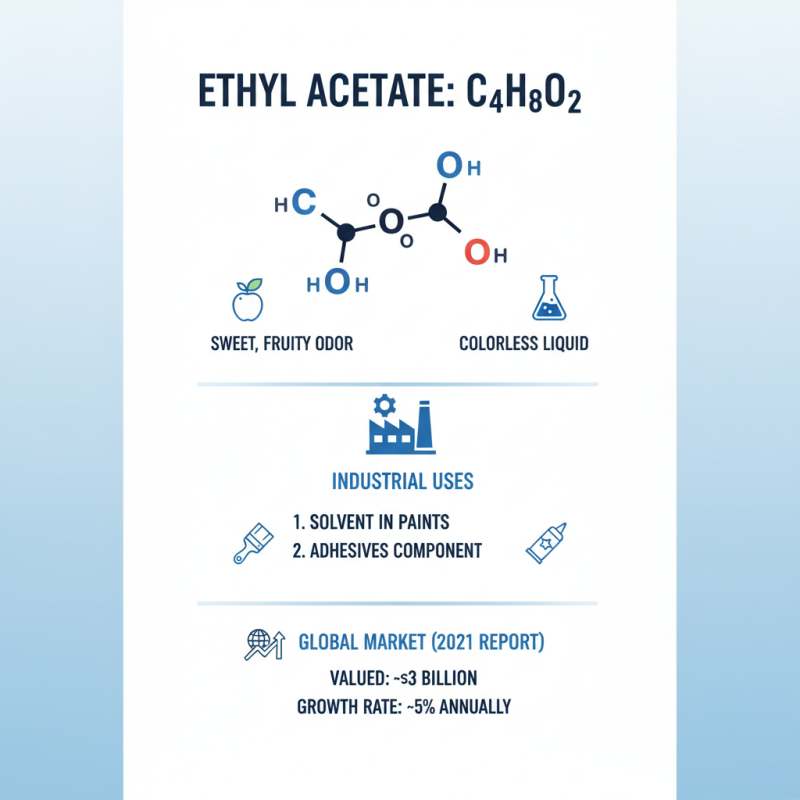
Ethyl acetate is a simple ester, formed from ethanol and acetic acid. It has a chemical formula of C4H8O2. This compound is known for its sweet, fruity odor. It is a colorless liquid at room temperature. Ethyl acetate is widely used in various industries. For instance, it serves as a solvent in paints and adhesives. According to a 2021 industry report, the global ethyl acetate market was valued at approximately $3 billion, with a projected annual growth rate of 5%.
Its properties make ethyl acetate suitable for a variety of applications. It evaporates quickly, leaving no residue. This feature is desirable in sectors like food packaging and cosmetics. However, safety is a concern. Ethyl acetate can be flammable. Proper handling is essential to prevent hazards. The Occupational Safety and Health Administration (OSHA) has set exposure limits to ensure workplace safety. Furthermore, the high volatility can pose environmental risks if not managed correctly.
Despite its versatility, some challenges persist. The strong odor can be off-putting in certain applications. Users must consider alternatives that may be less effective or more costly. Additionally, as regulations tighten, sourcing and using ethyl acetate may become more complicated. This calls for ongoing evaluation and adaptation in its applications. Balancing its benefits with potential drawbacks is crucial for sustainability.
Common Uses of Ethyl Acetate in Household Applications
Ethyl acetate is a versatile solvent often found in households. It has many practical applications. You might not realize how useful it can be in daily life.
For example, ethyl acetate is excellent for removing adhesive residues. If you have stickers on glass or surfaces, it works wonders. Simply soak a cotton ball in it and gently rub the area. The sticky mess will dissolve. However, this process can leave some residue. It might require multiple attempts to fully clean the surface.
Another common use is in nail polish removers. Ethyl acetate effectively dissolves nail polish, making it quick and easy to remove. While it works efficiently, be aware of strong fumes. Always use it in a well-ventilated area. Some people find the smell overwhelming. It’s important to take breaks and step outside for fresh air.
Tips for using ethyl acetate: always wear gloves to protect your skin. It can be harsh on sensitive skin. Also, store it in a cool place away from sunlight. It can evaporate quickly in heat. Being mindful of these aspects can ensure safe and effective use of this handy solvent.
Ethyl Acetate as a Solvent in Arts and Crafts
Ethyl acetate is a versatile solvent widely used in arts and crafts. Its low toxicity and pleasant smell make it a favorite among creators. In recent industry reports, it holds a significant market share, valued at approximately $2 billion in 2022, with a projected growth rate of 6% annually.
Artists often appreciate its quick evaporation rate. This property allows for faster drying times, essential for projects requiring multiple layers. However, artists should use it in well-ventilated areas. Prolonged exposure may lead to headaches or dizziness. Ethyl acetate is effective for thinning paints and cleaning brushes, yet some users report difficulty in removing residues from surfaces.
In crafting, ethyl acetate shines as an adhesive. Many use it for bonding materials like wood and plastics. Yet, some have encountered challenges with its effectiveness on certain substrates. A 2023 study noted that while it bonds well with standard materials, non-porous surfaces may require additional preparation. This insight can help crafters evaluate their success and adapt as needed.
Safety Considerations When Using Ethyl Acetate
When using ethyl acetate, safety is essential. This solvent is flammable and should be handled with care. Always work in a well-ventilated area. The strong smell can be overwhelming. It's best to avoid long exposure, as it may cause headaches or dizziness.
Wear protective gear when needed. Gloves and goggles can prevent skin irritation and eye damage. Spills should be cleaned immediately. Ethyl acetate can damage surfaces. Proper disposal is crucial, too. Don't pour it down the drain. Check local regulations for safe disposal methods.
Keep it away from heat sources. Ignition can happen easily. Store it in a cool, dry place all the time. Always read the label for specific instructions. It might be easy to forget these steps in practice. Regularly review safety guidelines. Being mindful can prevent accidents and ensure safe use.
Ethyl Acetate Applications and Safety Considerations
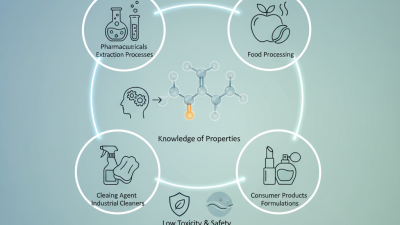
This chart illustrates the various everyday applications of Ethyl Acetate and the corresponding safety considerations associated with each application.
Eco-Friendly Alternatives to Ethyl Acetate in Everyday Tasks
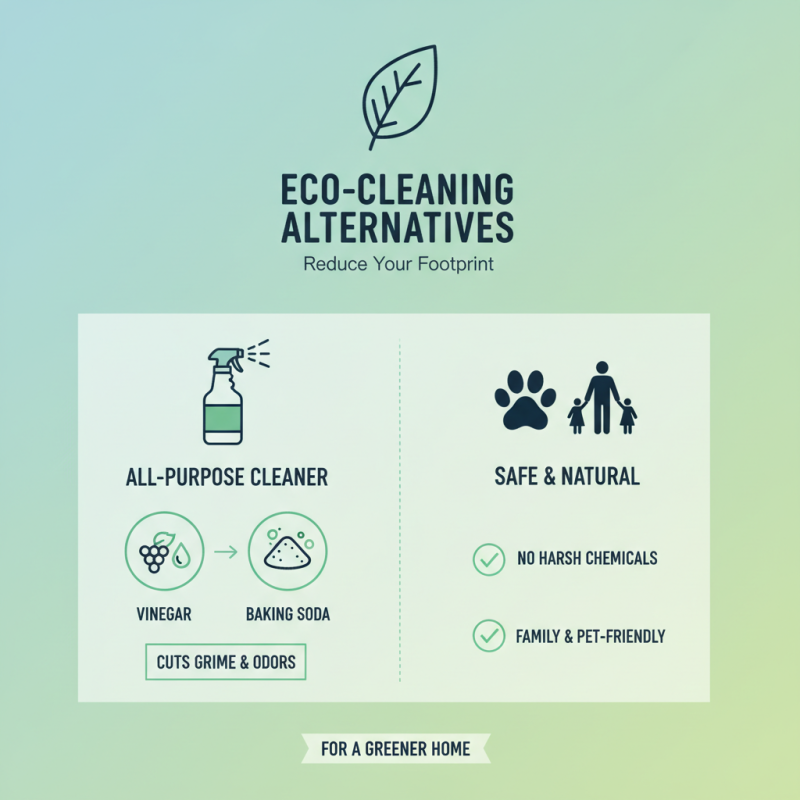
When it comes to eco-friendly alternatives to ethyl acetate, there are several options that can help us reduce our environmental footprint. For cleaning purposes, vinegar and baking soda can work wonders. They are effective at cutting through grime and eliminating odors without harsh chemicals. Plus, they are safe for your family and pets.
For crafting or DIY projects, consider using natural solvents like citrus oil or rubbing alcohol. These options can dissolve adhesives and clean surfaces effectively. They are less harmful than many synthetic alternatives. However, be aware of their safety. Always test them on a small area first. Some surfaces may react differently.
Here’s a tip: Keep a spray bottle of diluted vinegar handy. It can tackle stains, clean glass, and freshen the air. Another tip is to use beeswax wraps instead of plastic for food storage. They are reusable and biodegradable, making them a greener choice. Remember, every small change counts towards a healthier planet.