How to Use Soybean Oil for Cooking and Health Benefits?
Soybean Oil is a staple in many kitchens around the world. As one of the most widely used cooking oils, it offers both flavor and health benefits. Dr. Emily Chen, a nutrition expert, notes, "Soybean Oil is rich in essential fatty acids. It's versatile for cooking."
The benefits of Soybean Oil extend beyond taste. It contains omega-3 and omega-6 fatty acids, which are vital for overall health. Moreover, it has a high smoke point, making it suitable for various cooking methods. People often overlook these aspects when choosing cooking oils.
Yet, it’s not all perfect. Some may raise concerns about the processing methods and the balance of omega-6 fatty acids in diets. Understanding Soybean Oil's role is essential for informed choices. Experimenting with Soybean Oil can enhance culinary experiences while promoting health. It is important to reflect on how we integrate it into our diets.
Understanding Soybean Oil: An Overview of Its Composition and Properties
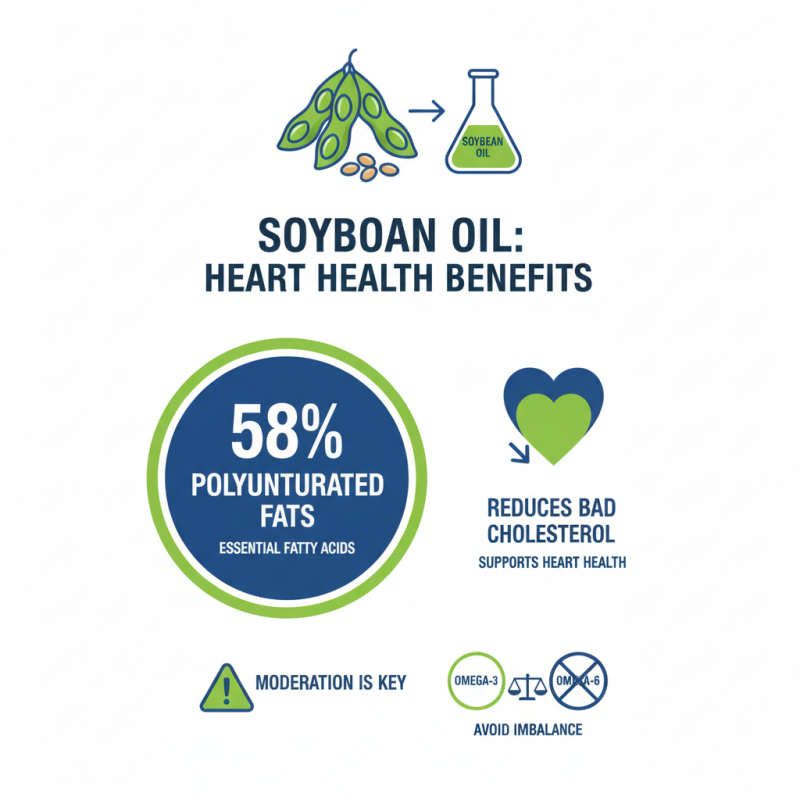
Soybean oil is derived from the seeds of the soybean plant. Rich in essential fatty acids, it contains about 58% polyunsaturated fats. This high percentage is notable, as research indicates that polyunsaturated fats can support heart health by reducing bad cholesterol levels. However, moderation is key. Excessive consumption might lead to an imbalance in omega-3 and omega-6 fatty acids.
The oil also contains Vitamin E, an antioxidant that aids in skin health. A study published by the American Journal of Clinical Nutrition highlighted that Vitamin E helps reduce inflammation. On the flip side, refining processes can strip some of these nutrients, making the oil less beneficial than unrefined varieties. This has led to ongoing discussions among health experts about the best choices for oil in cooking.
Another aspect to consider is the smoke point of soybean oil, which is around 450°F. This makes it a versatile choice for frying. Nonetheless, overheating oils can lead to the formation of harmful compounds. Continuous high-heat cooking might negate the oil's health benefits. Thus, it’s important to adjust your cooking methods when using soybean oil.
Health Benefits of Soybean Oil: Nutritional Value and Essential Fatty Acids
Soybean oil is a versatile cooking oil rich in essential fatty acids. It contains polyunsaturated fats, particularly omega-6 fatty acids, which play a significant role in heart health. According to the American Heart Association, replacing saturated fats with polyunsaturated fats can lower cholesterol levels. This oil is about 58% polyunsaturated fat, contributing to its health benefits.
In addition to fatty acids, soybean oil provides vitamin E, an antioxidant that helps protect cells from damage. A report by the USDA suggests that a tablespoon of soybean oil offers about 15% of the daily recommended intake of vitamin E. This essential nutrient is crucial for maintaining healthy skin and eyes. However, not all soybean oil is created equal. The refining process can strip away some nutrients, so choosing minimally processed options is advisable.
While soybean oil has benefits, moderation is key. Overconsumption can lead to an imbalance in omega-3 and omega-6 ratios, potentially leading to inflammation. Some studies suggest that excessive omega-6 intake may contribute to chronic diseases. Balancing your diet with omega-3 sources, such as flaxseeds or walnuts, is essential for overall health.
Health Benefits of Soybean Oil
Cooking with Soybean Oil: Best Practices and Culinary Uses
Cooking with soybean oil can elevate your dishes while offering numerous health benefits. This oil has a high smoke point, making it great for frying. You can use it for sautéing vegetables or searing meats. The light flavor won’t overpower your recipe. It blends well with herbs and spices, enhancing the overall taste.
When using soybean oil, consider the balance of flavors. A little goes a long way. Drizzle it over salads for a fresh dressing. Use it in marinades; it helps tenderize proteins. However, it’s easy to overuse. Too much oil can make your dish greasy. Always measure it carefully.
Experimentation in the kitchen can be rewarding. Try using soybean oil in baked goods for moisture. It can replace butter in some recipes. Make adjustments as needed. It’s a learning process. Explore how different cooking methods affect flavor and texture. Remember, cooking is about creativity and improvement.
Comparing Soybean Oil with Other Cooking Oils: Pros and Cons
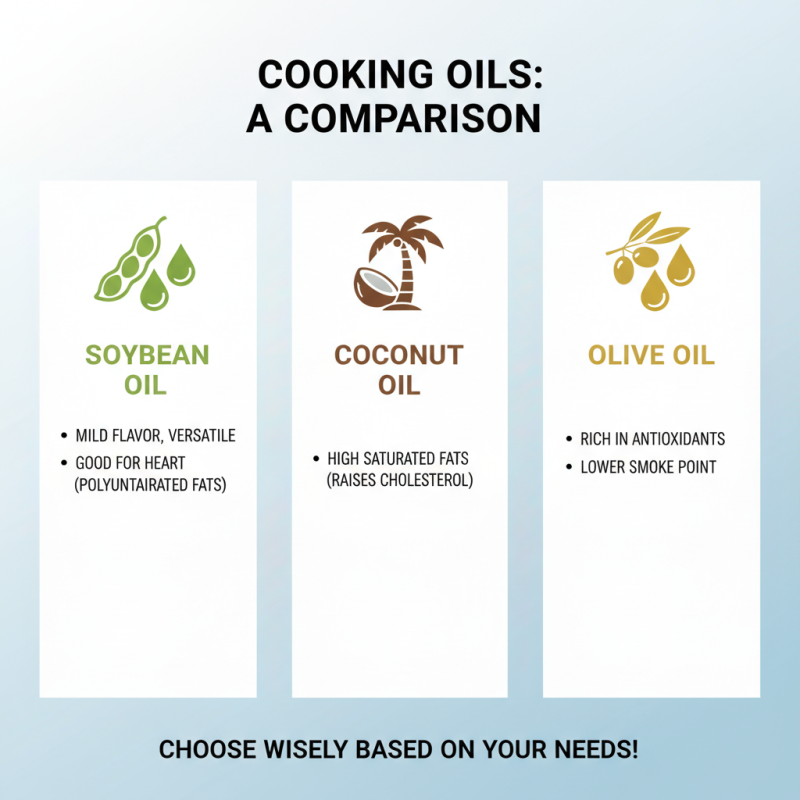
When it comes to cooking oils, soybean oil stands out for its versatility. It has a mild flavor, making it suitable for various dishes. Rich in polyunsaturated fats, it can help improve heart health. Yet, not all oils are created equal. Coconut oil, for instance, contains saturated fats, which may raise cholesterol levels. Olive oil, known for its antioxidants, can enhance flavors but has a lower smoke point.
There are drawbacks to soybean oil. Some people might experience allergies or sensitivity. Its high omega-6 fatty acid content can disrupt the balance with omega-3s in the diet. Also, its production often involves chemical processing. Comparatively, avocado oil has a higher smoke point and beneficial nutrients, yet it is usually pricier. Ultimately, choosing the right oil requires personal consideration and often trial and error. Each has its unique advantages and challenges. It’s all about finding what works best for you.
Tips for Storing and Handling Soybean Oil for Optimal Freshness
Storing soybean oil properly is crucial for maintaining its freshness. Choose a cool, dark place for storage. Light and heat can degrade oil quality quickly. An ideal spot is a pantry or cupboard away from the stove. The container should be tightly closed to prevent exposure to air.
Consider using smaller bottles for daily cooking. This way, you won’t have to open a large container often. Each time you open it, air enters and can spoil the oil faster. Also, check the expiration date. Old soybean oil can develop off-flavors. It's a subtle problem that can ruin a dish.
When handling soybean oil, use clean utensils to avoid contamination. Resist the urge to pour directly from the bottle; a funnel can help. Remember, freshness is key. Rancid oil may not only taste bad but can also affect your health. Pay attention to any strange smells or flavors. If in doubt, it's best to toss it out.
| Aspect |
Details |
| Oil Type |
Soybean Oil |
| Smoking Point |
450°F (232°C) |
| Health Benefits |
Rich in polyunsaturated fats, supports heart health, contains omega-3 fatty acids. |
| Common Uses |
Frying, baking, salad dressings, margarine production. |
| Storage Tips |
Store in a cool, dark place; keep tightly sealed; avoid exposure to heat and light. |
| Shelf Life |
6 to 12 months when stored properly. |
| Handling Tips |
Use clean utensils to avoid contamination; check for off smells or flavors before use. |